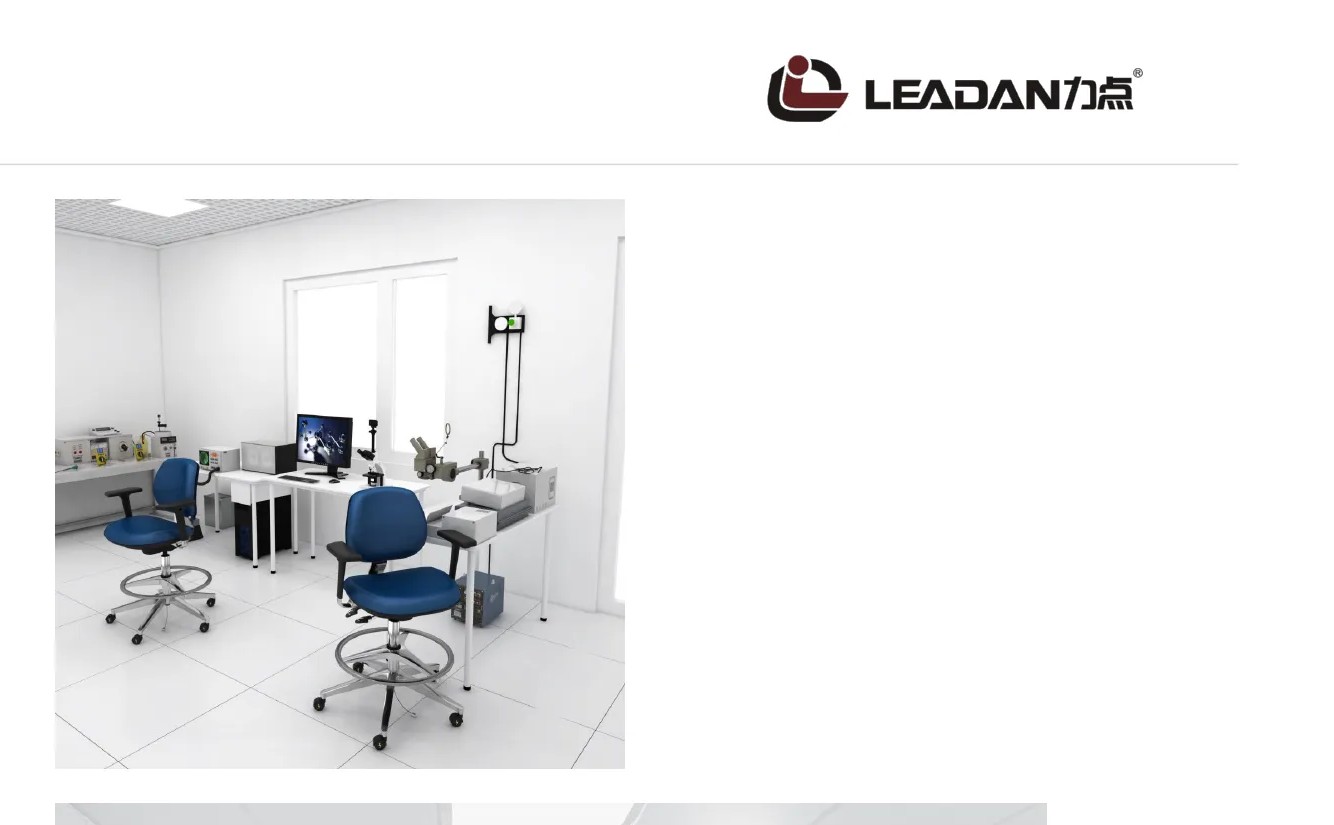
Introduction: The Unique Demands of Laboratory Seating
Laboratory environments present a unique combination of seating challenges that are not fully addressed by either standard office chair specifications or general industrial chair standards. Laboratory workers face chemical exposure risks, ergonomic challenges from precision work tasks, cleanliness requirements, and in many cases, ESD protection needs. The chair they use must address all of these requirements simultaneously.
Laboratory seating standards draw from multiple regulatory frameworks — occupational health and ergonomics standards, chemical resistance requirements, cleanroom standards (for laboratory cleanrooms), and ESD standards (for electronics and semiconductor laboratories). Understanding which standards apply to your laboratory environment is the first step in specifying appropriate seating.
Ergonomic Standards for Laboratory Seating
The ergonomic requirements for laboratory seating are driven by the nature of laboratory work tasks. Laboratory workers typically perform precision work at elevated benches (typically 900–1000mm high), requiring seat heights of 600–750mm. They frequently lean forward to examine samples or operate instruments, placing demands on lumbar support and seat stability. They may need to move quickly between workstations, requiring mobile seating with smooth-rolling casters.
The key ergonomic standards relevant to laboratory seating include EN 1335 (European office chair standard, applicable as a baseline), EN 527 (European standard for office furniture, including workstation height requirements), and ANSI/BIFMA X5.1 (US standard for general-purpose chairs). While none of these standards specifically addresses laboratory seating, they provide the ergonomic performance benchmarks that laboratory chairs should meet or exceed.
For laboratory applications, the critical ergonomic specifications are: seat height range (must accommodate the specific bench heights in your laboratory), footring height and adjustability (essential for elevated seating positions), lumbar support adjustability (laboratory workers vary significantly in height and body type), and seat pan depth (must accommodate the forward-leaning postures common in laboratory work).
Chemical Resistance Requirements
Chemical resistance is a critical requirement for laboratory chairs that is not addressed by standard office or industrial chair specifications. Laboratory environments expose chairs to a wide range of chemicals: acids and bases (from routine chemical handling), organic solvents (acetone, ethanol, methanol, xylene), disinfectants and cleaning agents (bleach, IPA, quaternary ammonium compounds), and specialty chemicals specific to the laboratory's work.
The upholstery material is the most chemically exposed component of a laboratory chair. The key upholstery options and their chemical resistance profiles are:
PU (Polyurethane) Vinyl
The most common laboratory chair upholstery. Provides good resistance to dilute acids and bases, alcohols, and common laboratory disinfectants. Limited resistance to concentrated acids, ketones (acetone), and aromatic solvents. Suitable for most general laboratory environments.
Neoprene (Polychloroprene)
Superior chemical resistance compared to PU vinyl, particularly for organic solvents, oils, and aggressive disinfectants. Recommended for chemistry laboratories, pharmaceutical manufacturing, and environments with regular solvent exposure. More expensive than PU vinyl but provides significantly longer service life in chemically demanding environments.
Vinyl (PVC)
Good general chemical resistance, lower cost than PU vinyl, but less durable and less comfortable. Suitable for budget-constrained applications where chemical resistance is needed but comfort is secondary.
When specifying laboratory chair upholstery, request chemical resistance data sheets from the manufacturer and verify compatibility with the specific chemicals used in your laboratory. Generic "chemical resistant" claims without supporting data are insufficient for regulated laboratory environments.
Cleanroom and Contamination Control Requirements
Laboratories that operate as cleanrooms — including pharmaceutical QC laboratories, semiconductor research facilities, and biotechnology laboratories — require chairs that meet cleanroom contamination control standards in addition to ergonomic and chemical resistance requirements.
For cleanroom laboratory applications, the relevant standard is ISO 14644-1 (Cleanrooms and Associated Controlled Environments). The specific requirements depend on the ISO class of the laboratory cleanroom, as described in our separate article on cleanroom chair requirements. Key considerations for cleanroom laboratory chairs include non-particle-generating upholstery (sealed PU vinyl or neoprene without exposed seams), cleanroom-compatible casters, and materials that can withstand cleanroom cleaning and disinfection protocols.
ESD Requirements in Electronics and Semiconductor Laboratories
Electronics research laboratories, semiconductor characterization facilities, and PCB design and testing laboratories require chairs with ESD protection properties. The relevant standard is IEC 61340-5-1, which specifies resistance requirements for ESD protective equipment including chairs.
For laboratory applications, ESD chairs must provide a controlled resistance path from the user to ground (typically 10⁶–10⁹ Ω) while also meeting the ergonomic and chemical resistance requirements of the laboratory environment. ESD-dissipative PU vinyl upholstery is the standard solution, providing both ESD protection and chemical resistance in a single material.
Buying Advice: Specifying Laboratory Chairs
When specifying laboratory chairs, the most effective approach is to create a requirements matrix that lists all applicable standards and requirements, then evaluate candidate chairs against this matrix. Key specifications to include: seat height range (must match your bench heights), chemical resistance (list specific chemicals), cleanroom compatibility (if applicable), ESD properties (if applicable), load capacity, and documentation requirements (material certificates, test reports).
For regulated laboratory environments (pharmaceutical, medical device, ISO-certified research), documentation is as important as the chair itself. Ensure your supplier can provide material data sheets, chemical resistance test reports, and any required compliance certifications.
Conclusion
Laboratory seating requirements are multidimensional, drawing from ergonomic, chemical resistance, cleanroom, and ESD standards. Selecting the right laboratory chair requires a systematic approach that identifies all applicable requirements and evaluates candidates against objective criteria.
TuoFu Industrial Seating offers a comprehensive range of laboratory chairs designed for research, pharmaceutical, and industrial laboratory applications. Our laboratory chairs are available with PU vinyl or neoprene upholstery, ESD options, and full documentation packages. Contact our technical sales team to discuss your laboratory seating requirements.
Ready to Source Industrial Chairs?
Contact TuoFu Industrial Seating for pricing, samples, and OEM capabilities. Our export team responds within 24 hours.
Get a Free Quote